
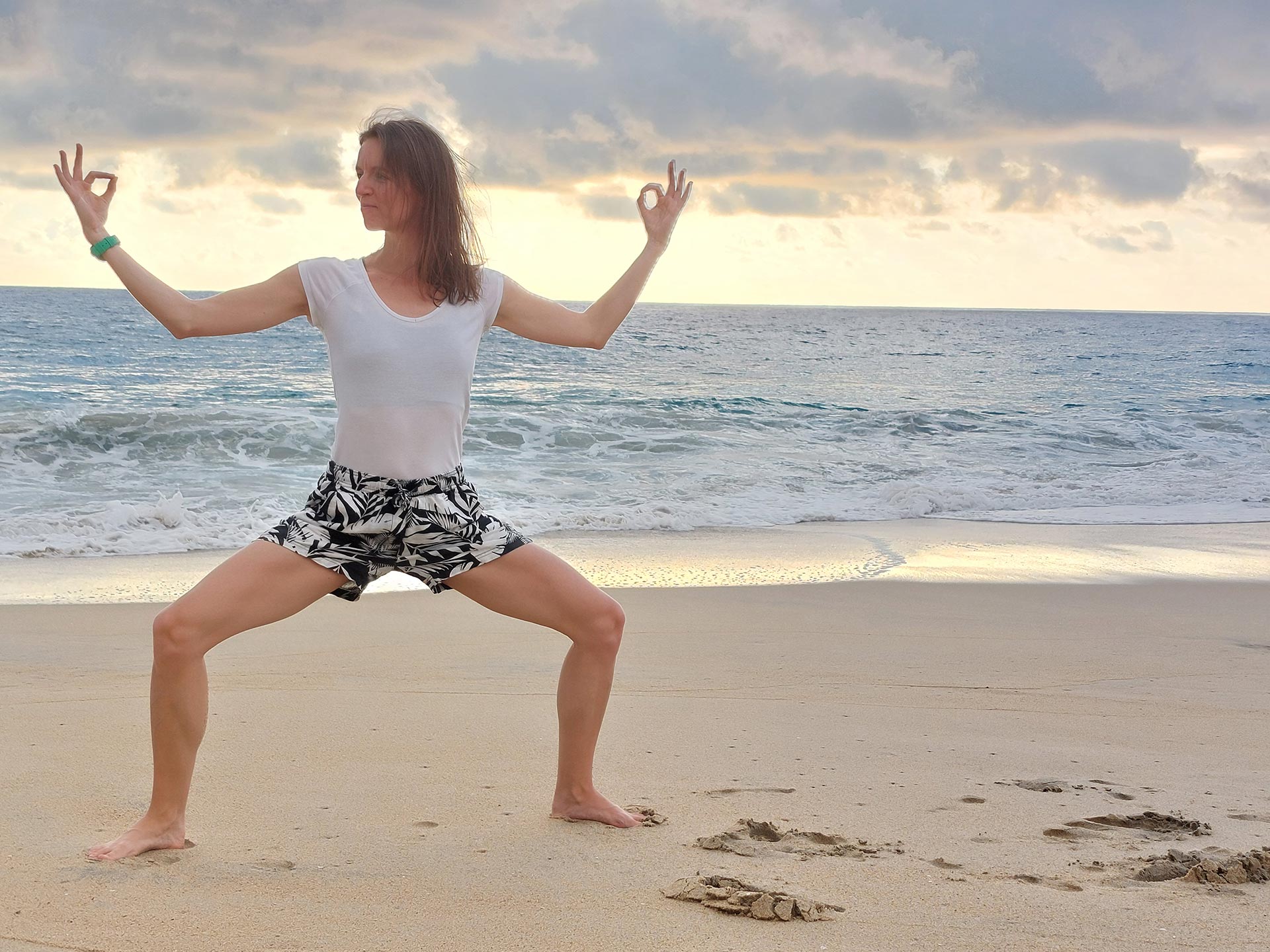
In today’s fast-paced world, stress and anxiety have become a common part of life. From managing hectic work schedules to juggling personal responsibilities, the pressure can be overwhelming. If you’re reading this you are most probably searching for an effective way to manage these challenges and restore balance in your life. One powerful and proven method is yoga for its physical benefits and profound effects on mental health.
In this blog, you’ll explore how yoga can be a powerful tool in relieving stress and anxiety, diving into its physical, emotional, and psychological benefits. By the end of this article, you’ll have a clear understanding of why yoga is an effective practice for stress and anxiety management and how it can positively impact your overall well-being.
Table of Contents
 Understanding Stress and Anxiety
1. The Science Behind Yoga’s Effects on the Nervous System
2. Yoga Poses for Stress and Anxiety Relief
3. Breathing Techniques
4. Mindfulness and Meditation in Yoga
5. Yoga as a Long-Term Solution for Mental Health
Getting Started with Yoga for Stress Relief
Understanding Stress and Anxiety
Before delving into how yoga helps alleviate stress and anxiety, it’s important to understand what these conditions entail.
What is Stress?
Stress is a natural physical and mental reaction to life’s challenges. It can be beneficial in short bursts—helping you stay focused and alert. However, chronic stress leads to wear and tear on your body and mind. Common symptoms include headaches, muscle tension, irritability, and difficulty concentrating to just name a few.
What is Anxiety?
Anxiety, on the other hand, is more of a prolonged emotional state characterized by feelings of worry, fear, or dread. While occasional anxiety is a normal response to stress, chronic anxiety can disrupt daily activities and, if left untreated, can contribute to mental health disorders.
Both conditions activate the body’s “fight or flight” response, causing physiological changes like increased heart rate and elevated cortisol levels (the stress hormone). Over time, this can lead to serious health issues such as cardiovascular disease, weakened immune system, and serious digestive problems.
1. The Science Behind Yoga’s Effects on the Nervous System
Yoga has been scientifically shown to be an effective way to calm the nervous system, thanks to its unique combination of movement, breathing, and mindfulness.
Activating the Parasympathetic Nervous System
When you experience stress or anxiety, the sympathetic nervous system (SNS) is activated, which is responsible for the fight or flight response. Yoga helps to activate the parasympathetic nervous system (PNS), which promotes relaxation and recovery.
Through slow, deliberate movements and breath control, yoga teaches the body to switch from the high-alert SNS mode into a state of rest and digestion, governed by the PNS. This reduces cortisol levels, slows down the heart rate, and lowers blood pressure, fostering a sense of calm.
Balancing Cortisol Levels
Cortisol, often referred to as the “stress hormone,” plays a vital role in how your body responds to stress. Prolonged elevated levels of cortisol can lead to fatigue, poor sleep, weight gain, weight loss and even depression. Yoga has been shown to reduce cortisol levels in the body, thus helping mitigate the harmful effects of chronic stress.
2. Yoga poses for stress relief
There are numerous studies have shown that specific asanas, and poses performed over time benefit the physical structure of the body. The various postures enhance flexibility, strength, and balance. These postures are designed to align the body, facilitating the flow of energy and promoting overall physical health. By engaging in regular yoga practice, you experience a reduction in muscle tension, improved circulation, and enhanced physical endurance.
Mental and Emotional Benefits
Beyond the physical benefits, yoga asanas have profound effects on mental and emotional health. Practising these postures encourages mindfulness and body awareness, allowing you to connect with your physical sensations and emotions. This heightened awareness fosters a sense of presence, helping you to stay grounded in the moment rather than becoming overwhelmed by anxious thoughts or stressors. The concentration required during asana practice can also serve as a mental distraction from daily worries, providing a reprieve from anxiety.
3. Breathing Techniques
Breathing techniques, or pranayama, play a crucial role in yoga’s effectiveness for anxiety and stress management. These practices focus on controlling and deepening the breath, which can significantly influence the body’s stress response. When you experience anxiety, your breathing tends to become shallow and rapid. Pranayama encourages slower, deeper breaths, activating the parasympathetic nervous system. Incorporating conscious breathing into yoga practice helps you develop greater control over your physiological responses to stress. By practising these techniques regularly, individuals may learn to manage their breath in stressful situations, facilitating a calmer reaction to anxiety-inducing stimuli. This practice fosters resilience and equips you with effective tools for managing stress in everyday life.
Enhanced Emotional Regulation
The combination of asanas and breathing techniques creates a powerful synergy that enhances emotional regulation. Regular practice can lead to increased resilience, allowing you to better cope with stressors. The mindfulness cultivated through yoga encourages self-reflection and self-awareness, enabling to identify triggers for their anxiety and respond to them more effectively. This self-regulation can prevent the escalation of stress and anxiety, leading to a more balanced emotional state.
Community and Connection
Moreover, yoga often fosters a sense of community and connection among practitioners. Participating in group classes or workshops provides a supportive environment where you can share your experiences and challenges. This sense of belonging can alleviate feelings of isolation often associated with anxiety and stress. Engaging in a communal practice encourages positive social interactions, further enhancing emotional well-being.
4. Mindfulness and Meditation in Yoga
Yoga isn’t just about physical postures and breathing. At its core, yoga promotes mindfulness—the practice of staying present and aware of your thoughts, feelings, and surroundings.
Focusing on the Present
When you’re anxious, your mind tends to dwell on past regrets or future worries. Yoga encourages you to anchor your mind in the present moment. Mindfulness during yoga practice helps you become more aware of your body’s sensations, your breath, and your emotions, reducing the tendency to ruminate on stressors.
Meditation Practices in Yoga
Many yoga classes include a short period of meditation. These sessions can be transformative for those struggling with anxiety. Regular meditation helps quiet the mind, reduces racing thoughts, and promotes a sense of inner peace. Over time, meditation can help reshape your mental patterns, making you more resilient to stress.
5. Yoga as a Long-Term Solution for Mental Health
The cumulative benefits of regular yoga practice extend far beyond immediate stress relief. Studies have shown that consistent yoga practice can:
• Improve Mood and Reduce Symptoms of Depression: Yoga has been found to increase levels of serotonin, the “feel-good” neurotransmitter. This can lead to a more positive mood and reduced symptoms of depression.
• Enhance Sleep Quality: Many people with anxiety struggle with insomnia. Yoga helps improve the quality of sleep by calming the mind and relaxing the body before bedtime.
• Boost Resilience to Stress: Over time, yoga can help retrain your body’s response to stress. Regular practitioners report feeling more balanced and capable of handling life’s challenges without becoming overwhelmed.
Getting Started with Yoga for Stress Relief
1. Find the Right Class
Look for classes focused on relaxation or stress relief, such as Hatha, Yin, or Restorative yoga. Many yoga studios and online platforms offer classes specifically designed to address stress and anxiety.
2. Set a Consistent Practice
Like any form of exercise or self-care, consistency is key. Aim to practice yoga 2-3 times a week to start. Over time, you can increase the frequency and length of your sessions based on how you feel.
3. Focus on Progress, Not Perfection
Yoga is a personal journey. Don’t worry about mastering poses or being flexible. Instead, focus on the mental and emotional benefits of each session. The goal is to cultivate inner peace and resilience, not physical perfection.
Conclusion
Yoga is a powerful and effective tool for managing stress and anxiety. By incorporating breathing exercises, mindful movement, and meditation into your routine, yoga offers both immediate relief from stress and long-term mental health benefits. Making yoga part of your life can help you develop a deeper sense of calm, balance, and well-being.
If you’re looking for a natural, holistic way to manage stress and anxiety, yoga offers the solution you’ve been searching for. Start small, stay consistent, and allow yourself to enjoy the journey of mental and emotional transformation.